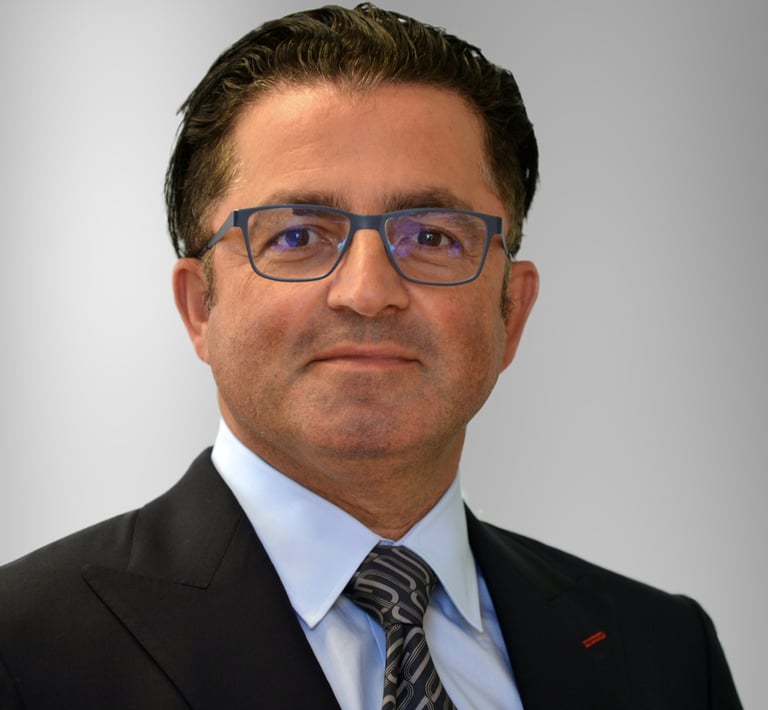
Shahram Shawn Gholami, M.D.
2581 Samaritan Dr., Suite 200
San Jose, CA 95124
408-596-5200 Office
408-358-2036 Fax
Visit The Prostate Health Blog

    Patient Experience

  • Considering Prostate Surgery? Patient advises...
  • Dr. Gholami was very patient with my occasional hand wringing and answered all my questions
  • Prostatectomy Recovery: My live is literally the same today as it was before the procedure
  • Prostate Cancer Diagnosis, Da Vinci Surgery & Post Op Prostatectomy
  • Radical Prostatectomy With The DaVinci Robotic System, PSA & Recovery
  • Patient Gives Sincere Thanks After A Prostate Surgery
  • Life Post Prostatectomy
  • Best In The World Receives 'Thank You' From Far Reaches
  • Gleason Score 7 Prostate Cancer & Decision Process To Do Prostatectomy
  • Recovery Experience From DaVinci Prostatectomy
  • Robotic Surgery As Treatment For Aggressive Gleason 9 Prostate Cancer
  • Laparoscopic Prostatectomy and Dr. Gholami's Measured Approach
  • Da Vinci prostatectomy and why I chose Dr. Gholami
  • Radical Robotic Prostatectomy - The Best Way To Eliminate The Cancer?
  • Da Vinci Robotic Prostatectomy and Recovery Experience

Da Vinci Robotic Prostatectomy and Recovery Experience

Andrew's surgery was at 7:30 a.m. on October 10. By 1 p.m. the next day, he was ready for discharge. "I didn't even take Tylenol afterward."

Andrew Stearns, Esquire Bustamante O’Hara Gagliasso

Source: The 2007 Cancer Care Center Program Report, prepared by Katy Calios, RHIT, CTR

At age 40, Andrew Stearns is busy. He has a thriving practice as an attorney and director of Bustamante O’Hara Gagliasso. He’s Dad to Max and Chloe, making the rounds of soccer games and parent-teacher conferences. He’s a volunteer through Rotary Club of Los Gatos. Hiking, gardening and social life fill the remaining hours.

And now he is a survivor of prostate cancer.

Andrew is accustomed to mastering tests, so he was surprised when he “flunked” a PSA test, the blood test used to screen men for prostate cancer. His grandfather died of prostate cancer in his early 60s, and his father had prostate cancer in his late 50s — but Andrew thought even that family history wouldn’t pre-sage cancer for him at 40.

Further examination and biopsy confirmed Andrew’s prostate cancer. Almost all of the 12 biopsy samples showed cancer. Several of them showed significant amounts of cancer cells. In fact, the cancer had snaked out of the prostate and around near-by nerves.

Dr. Gholami Prostatectomy review

After discussing all of his treatment options with his urologist, Shahram Gholami MD, Andrew chose surgical intervention. He was impressed that Dr. Gholami would be using daVinci robotic-assisted techniques.

“I had back surgery in January, so I wasn’t interested in a long recovery period,” Andrew says. “I also knew there was a possibility of losing some nerves, so for a young patient like me, the chance to use finer incisions, smaller tools and to have better visualization by the doctor seemed like the best option.”

Andrew’s surgery was at 7:30 a.m. on October 10. By 1 p.m. the next day, he was ready for discharge. “I didn’t even take Tylenol afterward. I had no pain. It felt more like I’d done too many (abdominal) crunches,” Andrew says.

Dr. Gholami Prostatectomy review

After two weeks at home, Andrew was back at work. Six weeks after the surgery, he finds the temporary incontinence and erectile dysfunction “a little frustrating” but acknowledges he has some remaining recovery. Andrew says, “The idea of erectile dysfunction stops too many men. The real question is: Do you want to live?”

Dr. Gholami will follow Andrew’s progress closely, and he may still face external radiation treatment in the months ahead.

Andrew knows estimating length of survival is an uncertain science, but he takes seriously the possibility that without intervention he may not have survived past another birthday. Today he’s an advocate for early testing.

“You’re already doing the blood work for your annual physical. Men should request that a PSA be added to the panel. Pay for the test yourself if it’s not yet covered by your health plan. Prostate cancer can happen to younger men. It’s not just old guys running around talking about their AARP benefits who need to be concerned about their PSA scores,” Andrew says.

Early detection is so important to long-term survival. With his family history, Andrew plans to encourage his son to be tested in his 30s. Andrew says, “We routinely check for diabetes and cholesterol and high blood pressure so we can treat chronic diseases earlier at a lower cost. Prostate cancer is no different.

“There are costs associated with surgery, but compare that to the costs of dealing with more advanced, potentially terminal cancer. Compare that to the costs of the loss of a father and family provider, not just in terms of income but in terms of being there to raise your sons, raise your daughters and see them becoming successful, happy young adults on their own.”

  • Home
  • About Dr. Gholami
    • Dr. Gholami’s Accomplishments
    • Dr. Gholami’s Published Works
    • Why Dr. Gholami?
  • Surgical Procedures
    • Prostatectomy
    • Da Vinci Prostatectomy
    • Transurethral Resection of the Prostate (TURP)
    • No Scalpel Vasectomy
  • Urologic Problems
    • Prostate Problems
    • Prostate Cancer
    • Incontinence
    • Bladder Cancer
    • Bladder Cancer Treatment Options
    • Peyronie’s Disease
    • Male Infertility
  • Patient Experience
  • Prostate Cancer Resources
    • Prostate Cancer Treatments
    • da Vinci Surgery Videos
    • Why Robotic Prostatectomy May Be Right For You?
    • What To Expect Before Your Surgery
    • What To Expect After Your Prostate Surgery
    • Recovery Time After Prostate Surgery
    • Urinary Control After Prostate Surgery
    • Frequently Asked Questions
    • Web Resources
  • Office Info & Directions
    • Contact Dr. Gholami
    • Request an Appointment
  • Home
  • About Dr. Gholami
  • Surgical Procedures
  • Urologic Problems
  • Patient Experience
  • Prostate Cancer Resources
  • Office Info
  • Prostate Health Blog
  • Terms of Use
  • Sitemap
© 2012 Shahram S. Gholami, M.D. All rights reserved.